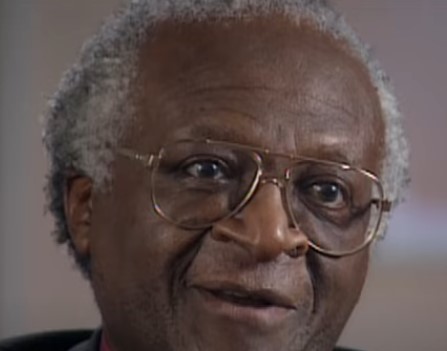
On August 19, 1996, major South African political parties commenced their submissions to the Truth and Reconciliation Commission (TRC), a pivotal moment in the nation's post-apartheid healing process.
The TRC, established to investigate human rights violations during the apartheid era, provided a platform for political parties to acknowledge past injustices, seek reconciliation, and contribute to national unity by revealing historical truths.
**"Read More" BELOW for the complete story**
The Truth and Reconciliation Commission (TRC) was a court-like body assembled in South Africa after the end of Apartheid. Anybody who felt they had been a victim of violence could come forward and be heard at the TRC. Perpetrators of violence could also give testimony and request amnesty from prosecution. The hearings made international news and many sessions were broadcast on national television. The TRC was a crucial component of the transition to full and free democracy in South Africa and, despite some flaws, is generally regarded as very successful. Creation and Mandate The TRC was set up in terms of the Promotion of National Unity and Reconciliation Act , No 34 of 1995, and was based in Cape Town. The mandate of the commission was to bear witness to, record and in some cases grant amnesty to the perpetrators of crimes relating to human rights violations, reparation and rehabilitation.